How to Scale a Consumer Brand Without Adding Headcount
Scaling
Maximalist Design
UX Strategy

Samantha Stermer
Founder, Pare

⊹
You started your brand to make something people love — and to build a life around it. Then it grew. And somewhere along the way, the work that comes with growth (the order entry, the stock checks, the "where's my shipment?" emails) started filling the hours you used to spend creating.
The usual answer is "hire someone." Sometimes that's exactly right. Often it's just expensive. A lot of what fills your week isn't work that needs a person — it needs a system.
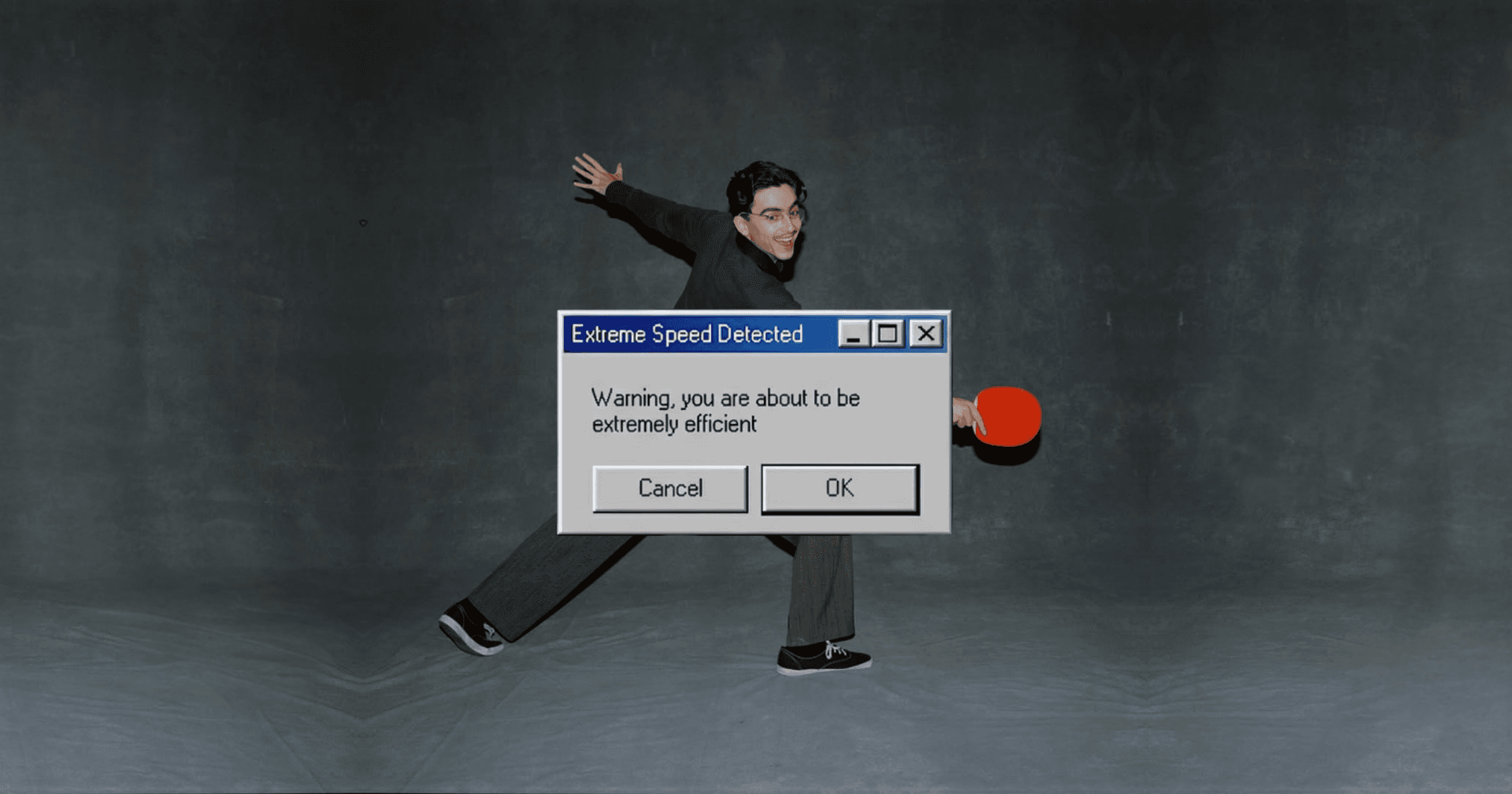
Here's how consumer brands keep scaling — more orders, more retailers, more revenue — without adding a hire for every new piece of busywork.
Growth has a quiet cost: the work behind the work
Every new wholesale account and every new DTC order brings a little admin with it. Re-entering the order, updating stock, sending tracking, pulling the monthly numbers. None of it is hard. All of it repeats. And it grows in a straight line with your success — twice the orders, twice the typing.
That's the part worth noticing: if you add a person every time the admin grows, your margins shrink as you scale. The brands that stay lean do something different. They hand the repeatable work to a system, and keep their people for the work only people can do.
The five things to hand to a system first
You don't need to automate everything. You need to automate the handful of tasks that repeat the most:
1. Order entry. Orders from Faire, Shopify, and ShopMy can flow straight into Cin7 on their own — no re-keying. (Faire → Cin7, ShopMy → Cin7.) 2. Stock and inventory. Keep your counts in step across channels, so you're not selling what you don't have. 3. Fulfillment and tracking. On-brand tracking that keeps customers in the loop without anyone sending a single update. (Shopify branded tracking.) 4. Reporting. The numbers you rebuild every month — and a quiet heads-up when an order is stuck. (Commerce Ops Dashboard, Unfulfilled Orders Report.) 5. PR and gifting. Turn gifting requests into clean, trackable orders instead of a messy inbox.
Each one is a few hours a week today. Together, they're most of a job — handed to a system that does it the same way every time.
When to automate, and when to actually hire
A simple way to tell them apart:
Automate the work that follows rules and repeats — order entry, stock updates, tracking, reports. A system does these faster and more accurately than a person ever will.
Hire for the work that needs judgment, taste, or relationships — building retailer partnerships, designing the next product, talking to customers.
When you stop spending headcount on the rules-based work, you can afford the right people for the parts that grow your brand.
A simple way to find your first automation
You don't need a system audit to start. Try this at the end of one week: write down everything you or your team did more than five times. Order entry will be near the top. So will copy-pasting tracking, and rebuilding the same report.
Anything on that list that follows a clear set of steps is a candidate. Pick the one that eats the most time, and start there.
Keep the parts only you can do
Scaling without adding headcount isn't about doing more with less for its own sake. It's about spending your hours on the work that made you start — and letting a system carry the rest.
If you want a shortcut, book your free automation audit. We'll look at your wholesale and DTC operations and show you exactly what to hand off first.
FAQ
When should a consumer brand automate instead of hiring? Automate the work that repeats and follows rules — order entry, stock sync, tracking, reporting. Hire for judgment and relationships. Most brands can automate a surprising amount before the next hire is truly needed.
What's the first thing a growing brand should automate? Usually order entry — moving Faire, Shopify, and ShopMy orders into Cin7 — because it repeats most and scales directly with sales.
Will automating my operations replace my team? No. It takes the repetitive admin off their plates so they can spend their time on the work that actually grows the brand.
Share This Article